30-day diabetes food calendar

Good everyday Indian food for steady sugar. Pick veg or non-veg and follow one day at a time.

Day 1 · vegetarian diabetes diet chart

  • Soaked nuts

    Early morning

    Soaked nuts

    Warm water · 5 soaked almonds · 2 walnut halves

  • Moong dal chilla

    Breakfast

    Moong dal chilla

    2 chillas · 2 tbsp mint chutney

  • Guava

    Mid-morning

    Guava

    1 medium guava

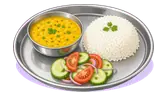
  • Dal, rice & salad

    Lunch

    Dal, rice & salad

    1 katori dal · ½ cup rice · a big salad
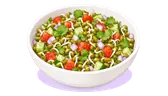
  • Sprouts salad

    Evening snack

    Sprouts salad

    1 bowl moong sprouts with tomato and onion
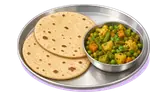
  • Phulka & sabzi

    Dinner

    Phulka & sabzi

    2 phulkas · 1 katori sabzi

Eat the salad or sabzi first, then the roti or rice.

How it works

How to use this food calendar

You don’t need special foods. Every meal here is everyday Indian home cooking. What helps most is the balance on the plate, sensible portions and eating at steady times.

The plate at lunch and dinner

  • ½

    Vegetables

    Sabzi, salad, sambar vegetables, greens. Fill this half first.

  • ¼

    Protein

    Dal, chana, rajma, paneer, curd, eggs, fish or chicken.

  • ¼

    Grains

    Phulka, rice, millets or dalia. Brown rice and millets keep you full longer.

Five steps

  1. Pick veg or non-veg. Use the switch above the calendar. The non-veg plan swaps one main meal a day for fish, chicken or egg.
  2. Follow one day at a time. Start at Day 1, or on any day. Each day has six small meals: early morning, breakfast, mid-morning, lunch, an evening snack and dinner.
  3. Measure with what you have. Portions are in katoris, phulkas and glasses, so you don’t need a scale. One katori is a small bowl of about 150 ml.
  4. Keep your meal times steady. Eat at about the same times every day, and don’t skip meals. Steady timing helps keep your sugar steady.
  5. Check in with your doctor. Keep checking your sugar as your doctor advised, and take this calendar to your next visit so they or your dietitian can adjust it for you.

Easy swaps

  • Sweet tea or coffeeThe same tea with less sugar each week, until none
  • Fruit juiceA whole guava, apple or orange
  • Maida bread or biscuitsPhulka, multigrain toast or roasted chana
  • A big plate of white rice½ cup rice with extra dal and vegetables
  • Fried namkeen at tea timeRoasted makhana or a bowl of sprouts

Quick answers

Frequently asked questions

  • What should a person with diabetes eat in a day?

    Most people do well with three main meals and two or three small snacks at steady times. At lunch and dinner, fill half the plate with vegetables, a quarter with protein such as dal, paneer, eggs or fish, and a quarter with grains such as phulka, rice or millets. The calendar on this page lays this out for every day of a month.

  • Can people with diabetes eat rice?

    Many can, in a smaller portion. This calendar uses about ½ cup of rice with plenty of dal and vegetables. Brown rice and millets are good alternatives. Your doctor or dietitian can tell you what portion suits you.

  • Which fruits are good for diabetes?

    Whole fruits with fibre, such as guava, apple, orange, papaya and pear, eaten in one small serving at a time. A whole fruit is better than juice. Keep very sweet fruits such as mango, chikoo and grapes to small amounts.

  • Is this diet chart for type 1 or type 2 diabetes?

    It is a general guide to healthy everyday meals and suits most adults with type 2 diabetes or prediabetes. People with type 1 diabetes, children, pregnant women and people with kidney disease need a plan made for them by their own doctor or dietitian.

  • Is there a non-veg diabetes diet chart?

    Yes. Use the switch above the calendar. The non-veg plan swaps one main meal a day for fish, chicken or egg curry, and has eggs for breakfast three days a week. Grilled, curried or tandoori is better than fried.

  • Can I follow this if I take insulin or tablets?

    Please check with your doctor first. Medicines and meals work together, so changing what or when you eat can change your sugar. Never skip a meal after taking your medicine.

  • Does this calendar count calories?

    No. It uses household portions (katori, phulka, glass) that are easy to follow at home. If you need an exact calorie target, a dietitian can set one for you.

  • I am a dietitian. Can I share this with my clients?

    Yes, it’s free. Send the link on WhatsApp or print it. If you’d like to send each client their own diet chart, with their name, on their phone and as a printout, Nimo does that for dietitians.